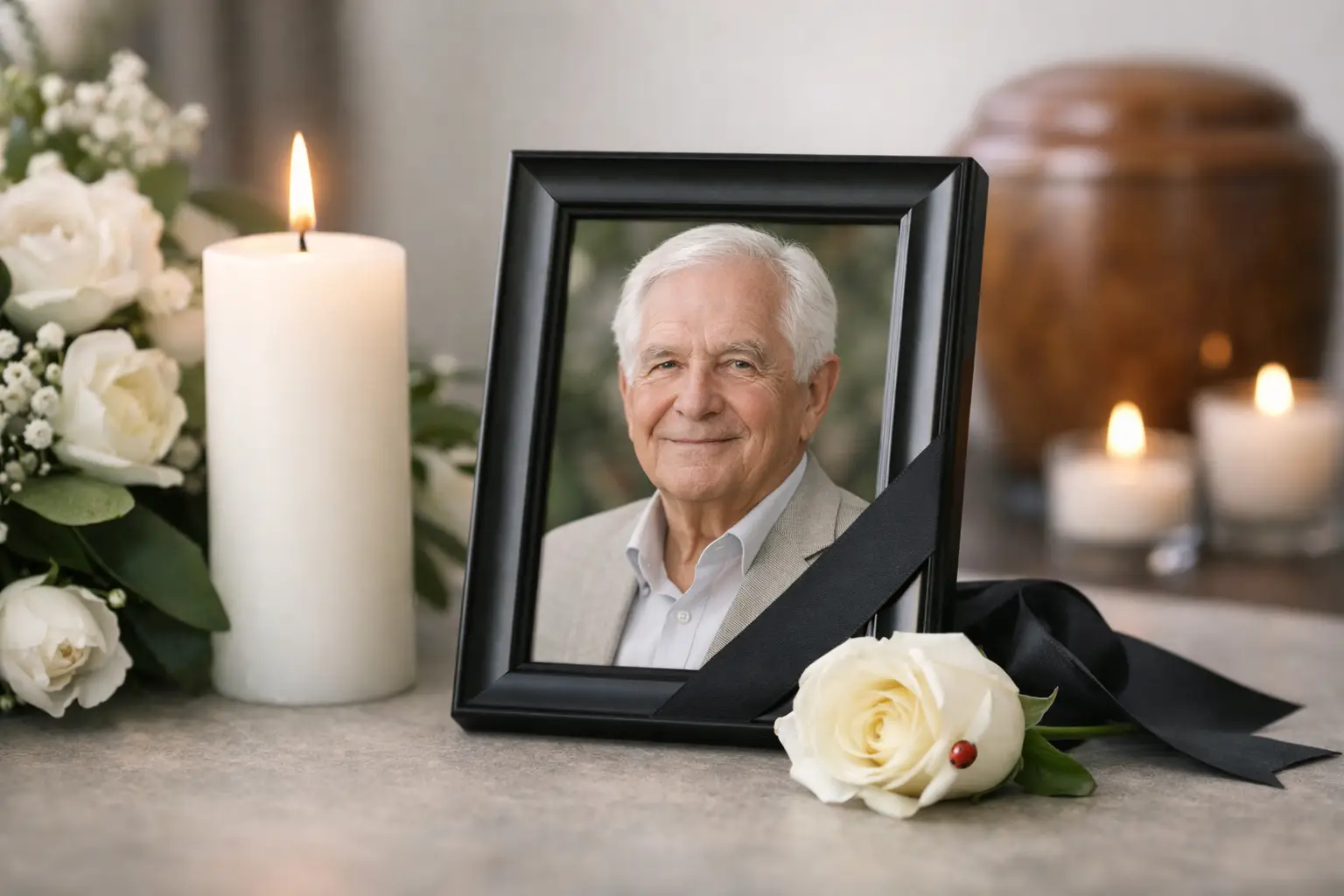
When someone asks you to speak at a memorial, the weight of it can settle in fast. You want your words to feel true, comforting, and worthy of the person being remembered. Looking at memorial service tribute examples can help, not because you want to sound scripted, but because a little structure makes it easier to speak from the heart when emotions are close to the surface.
What makes a memorial tribute feel meaningful
A strong tribute usually does three things well. It gives people a clear sense of who the person was, it shares a memory or two that feels real, and it leaves the room with something to hold onto. That might be laughter, gratitude, tenderness, or simply the comfort of hearing their name spoken with love.
The best tributes are rarely the most polished. They are the most specific. A small story about the way your dad waved at every neighbor on the block can say more than a long list of admirable qualities. The same is true if you are honoring a friend, spouse, sibling, coworker, veteran, teacher, or grandparent. Details make a person present again, even for a few minutes.
Tone matters too, but there is no single correct tone. Some services are formal and faith-centered. Others are casual, story-filled, and even funny. It depends on the family, the setting, and the person being remembered. If they were warm and playful, a tribute with gentle humor may feel just right. If the loss is especially raw or the service is traditional, a quieter tone may serve the moment better.
Memorial service tribute examples for different relationships
These memorial service tribute examples are meant to give you a starting point. You can use a line, borrow a structure, or simply notice what feels natural.
Example for a parent
“My mother had a way of making people feel cared for before they even asked for anything. She remembered the small details – your favorite pie, the date of your job interview, the name of the dog you had when you were ten. That was her gift. She paid attention. And because she did, all of us felt a little more seen and a little more loved. I will miss her voice, her steadiness, and the way she made our family feel like home.”
This kind of tribute works well because it names a defining quality and supports it with recognizable examples. If you are speaking about a father, you might focus on his humor, work ethic, tenderness, or quiet reliability.
Example for a spouse
“There are people who change the entire rhythm of your life just by being in it. That was true of my husband. He made ordinary days better – morning coffee, errands, long drives, sitting in silence at the end of the day. He taught me that love is often simple and steady. It is showing up, again and again, with patience, loyalty, and kindness. I am grateful for every year we shared, and I will carry him with me in every day ahead.”
A spouse tribute often feels strongest when it is intimate without becoming too private. The room does not need every detail. It needs the shape of your love and the truth of what that person gave.
Example for a grandparent
“My grandfather did not need many words to make an impression. He taught by example. He showed us how to work hard, how to keep your promises, and how to make time for the people you love. Some of my favorite memories are the simplest ones – sitting beside him, listening to his stories, and feeling like everything was going to be all right because he was there. His life leaves a legacy of strength, generosity, and deep devotion to family.”
Grandparent tributes often resonate when they connect generations. Consider including a lesson they passed down or a tradition they created.
Example for a sibling
“My sister knew me in a way no one else did. She knew the childhood version of me, the awkward version, the hopeful version, and the one still trying to figure things out. She was honest with me, funny with me, and fiercely loyal. Losing her leaves an ache I do not have words for, but loving her has been one of the greatest gifts of my life. I will miss her laugh, her courage, and the way she always told the truth with love.”
Sibling tributes can carry a little more personality and shared history. A funny childhood moment can bring welcome warmth to the service if it fits the family’s comfort level.
Example for a friend
“A good friend is one of life’s quiet miracles, and that is exactly what she was to me. She showed up without being asked. She celebrated what mattered to you. She listened without trying to fix everything. In a world that can feel rushed and distracted, she gave people the rare gift of her full attention. I will miss her deeply, and I will honor her by trying to offer others the same kindness she gave so freely.”
For friends, it helps to explain what made the relationship special. Not everyone in the room may know your history together, so a little context adds depth.
Example for a coworker or community member
“We often talk about professionalism as if it only means doing a job well. But he showed us it can also mean treating people with dignity, patience, and respect. He was dependable, thoughtful, and deeply generous with his time. The workplace is quieter without him, but the example he set remains. Many of us are better at what we do, and kinder in how we do it, because we had the chance to know him.”
This format is helpful when the relationship was meaningful but more public. It keeps the tribute warm and appropriate while still feeling personal.
A simple structure if you need help getting started
If writing feels overwhelming, keep it simple. Start with who they were to you. Then share one or two stories that show their character. End with what you will miss, what you learned, or what you hope people remember.
That shape works because it gives your tribute movement. It starts with connection, gives the room something vivid, and closes with meaning. You do not need to cover a whole lifetime. In most memorial settings, three to five minutes is enough.
How to personalize memorial service tribute examples
The most useful memorial service tribute examples are the ones you adapt until they sound like you. Read your draft out loud. If a sentence feels too formal, soften it. If it sounds like something you would never say in real life, change it. A memorial tribute should sound spoken, not published.
It also helps to choose one central theme. Maybe your loved one was the family peacemaker. Maybe she was the person who made every holiday beautiful. Maybe he was the one everyone called first when something broke or when life did. A tribute with a clear center tends to feel more memorable than one that tries to mention everything.
There is also room to consider the larger setting. If the memorial includes flowers, photographs, music, or a memory table, your words can gently echo those elements. A tribute that mentions your mother’s love of garden roses or your grandfather’s pride in his uniform can create a fuller sense of presence in the room. Thoughtful details like these often help guests feel connected and grounded.
What to avoid when writing a tribute
Trying to sound perfect usually gets in the way. So does packing in too much biography. A memorial is not a resume. It is a moment of remembrance.
Be careful with inside jokes that only a few people will understand. The same goes for stories that may be unintentionally uncomfortable for close family members. If a memory is funny and affectionate, it can be a gift. If it risks distracting from the purpose of the service, it may be better saved for a quieter conversation later.
It is also okay to be emotional. You do not need to apologize for tears. If you are worried about getting through it, print your tribute in large type, mark where to pause, and ask someone to stand nearby with a copy. Many people find that once they begin, the words carry them.
When short is better
Not every tribute needs to be long. In fact, short can be especially powerful when the wording is clear and sincere.
“He loved deeply, gave generously, and made people feel welcome wherever he went. We will miss him terribly, and we will remember him with gratitude.”
“She brought beauty into ordinary days. In the way she cared, listened, and loved, she made life brighter for all of us.”
Brief remarks are often the right choice when several people are speaking, when emotions are high, or when you simply know that a few honest lines will say more than a longer speech.
If you are planning a service and also choosing sympathy flowers, photos, or other personal touches, it can help to think of everything as part of one tribute. The words, the music, and the flowers do not need to compete. They can work together to reflect a life with grace and individuality. For many families in Springfield, that thoughtful coordination is part of what makes a service feel personal rather than generic.
If you are sitting with a blank page and unsure where to begin, start with the smallest true thing you remember. The way they laughed, the way they greeted people, the way they made a room feel. That is often where the right words begin.