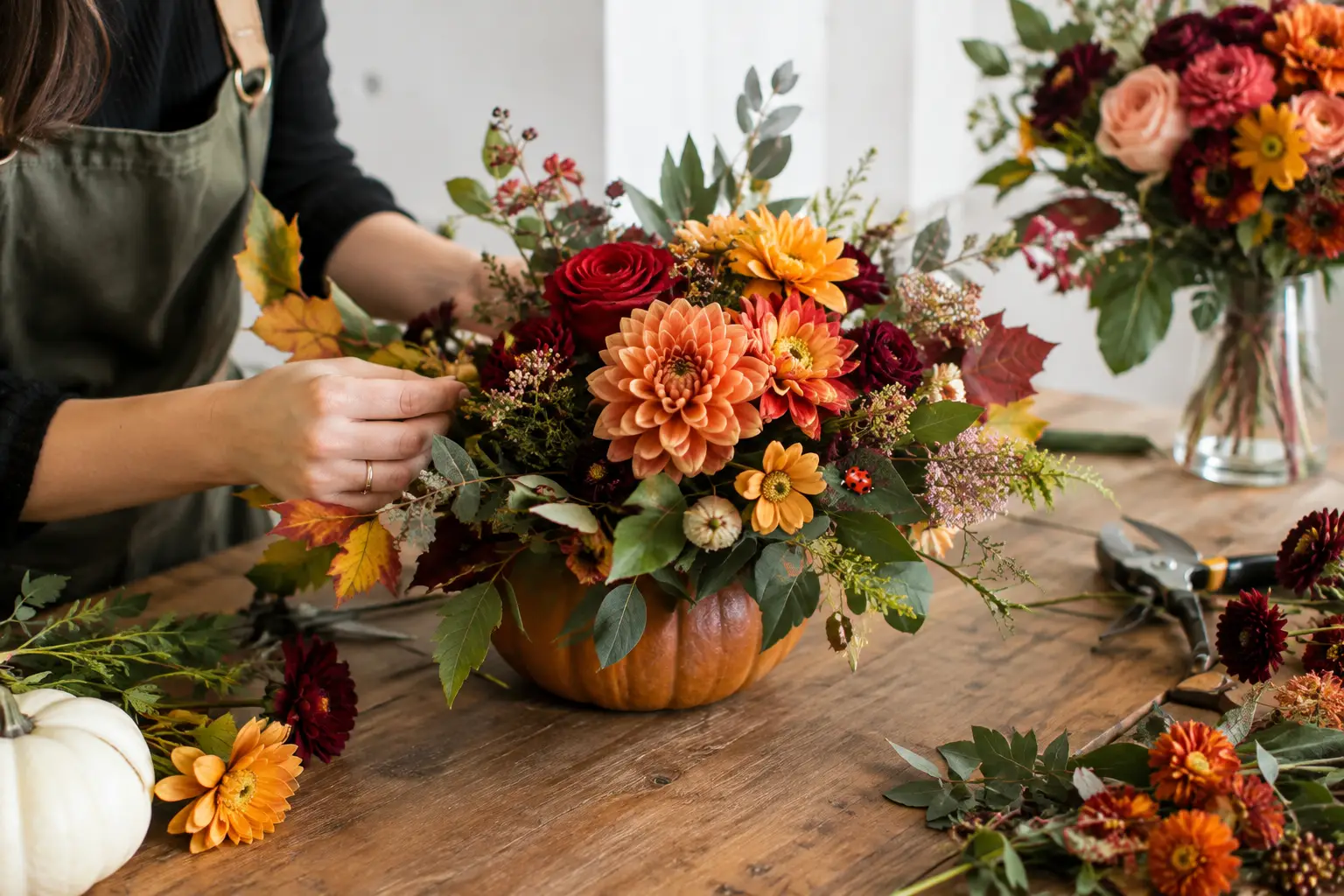
A table set with fresh stems, a good pair of clippers, and the quiet focus of making something beautiful can change the pace of an ordinary week. Flower arrangement classes offer more than a finished centerpiece to take home. They give you a chance to learn the choices behind a design: why one bloom becomes the focal point, how greenery creates movement, and when a little open space makes an arrangement feel more polished.
For Springfield flower lovers, a hands-on class can be a creative night out, a thoughtful gift, or a welcoming introduction to floral design. You do not need experience to enjoy it. What matters most is an interest in flowers and a willingness to let your own style show.
What Happens in a Floral Design Class?
Most classes begin with a quick introduction to the flowers, foliage, vessel, and design style for the evening. The instructor may discuss the season, explain which stems need extra hydration, and show how the ingredients work together. Then comes the part everyone has been waiting for: selecting stems and building an arrangement from the ground up.
Rather than handing you a finished recipe to copy exactly, a well-led class gives you a framework. You might start by preparing the vase and placing greenery to establish the shape. Next, you will add larger focal flowers, then supporting blooms, texture, and lighter accents. Along the way, you learn how to turn the arrangement, view it from every angle, and make small adjustments before calling it complete.
That guidance is what makes an in-person class so valuable. A photo can show a pretty bouquet, but it cannot tell you whether a stem needs to sit lower, whether the color balance is working, or whether the design is too crowded. An experienced florist can spot those details quickly and help you make decisions with confidence.
Why Flower Arrangement Classes Feel So Rewarding
Working with flowers is tactile and immediate. You trim a stem, change its angle, and see the entire arrangement shift. There is room for precision, but there is also room for personality. Two people can begin with similar flowers and leave with designs that look completely different, both beautiful in their own way.
Classes also offer a refreshing kind of connection. They are ideal for friends planning a different sort of evening together, mothers and daughters sharing time, coworkers celebrating a milestone, or anyone looking for a creative experience that does not require bringing supplies or cleaning up a studio afterward. A wine and floral design class can make the occasion feel especially relaxed, pairing conversation with a project everyone can enjoy.
For gift-givers, a class is a lovely answer when another item does not feel personal enough. It gives the recipient an experience, new knowledge, and flowers to enjoy at home. If you are shopping for someone who seems to have everything, that combination is hard to beat.
The Skills You Can Actually Take Home
A beginner-friendly workshop will not turn every attendee into a wedding florist in one evening, nor is that the goal. It can, however, make buying and arranging flowers at home much less intimidating. You begin noticing the details that distinguish a gathered bunch from an intentional design.
Choosing Flowers With Purpose
You will learn that flowers often have jobs within an arrangement. Focal flowers draw the eye. Secondary blooms add fullness and reinforce the palette. Line flowers create height or direction, while foliage can soften edges and connect the composition. Knowing these roles makes it easier to choose stems at a market or select flowers from your own garden.
Seasonality matters, too. A class may feature tulips and delicate spring branches, bright summer blooms, richly toned autumn flowers, or evergreens and berries during the holidays. Seasonal designs tend to feel timely and often make the best use of what is looking freshest.
Building Shape, Balance, and Color
Floral arranging is not only about placing pretty flowers in a vase. It is about proportion. A wide, low centerpiece needs a different approach than a tall arrangement for an entry table. An asymmetrical design can feel airy and artistic, while a rounded arrangement may feel classic and abundant.
Color is equally expressive. Soft neutrals can create a calm, garden-inspired look. Saturated reds, oranges, and purples bring more drama. Sometimes a class focuses on one color family; other times, the lesson may be about using contrast without making the arrangement feel busy. The best choice depends on the flowers available and the mood you want to create.
Caring for Flowers After Class
A beautiful arrangement deserves to last as long as possible. Basic flower care is one of the most useful lessons you can learn. Fresh water, a clean vessel, and a fresh trim on the stems go a long way. Keep the arrangement away from direct sun, heating vents, and ripening fruit, which can shorten the life of certain blooms.
Your instructor may also share care needs for particular flowers. Some drink heavily, some bruise easily, and some open dramatically over a few days. Understanding those differences helps you enjoy your arrangement longer and choose wisely when purchasing flowers in the future.
How to Choose the Right Class
The best class is not necessarily the most advanced one. Start with the experience you want. If you are new to floral design, look for a workshop that clearly welcomes beginners and includes the flowers, tools, and vessel. A seasonal centerpiece class is often an approachable place to start because the design has a clear purpose and a manageable scale.
Consider the setting as well. A small class usually allows more individual guidance, which can be especially helpful if you have never worked with floral tools or mechanics. If you are attending with a group, ask whether everyone will create an individual design and whether the project is practical to carry home.
The design style matters, too. Some workshops lean lush and garden-inspired, while others may focus on clean modern lines, holiday arrangements, bud vases, or floral crowns. There is no wrong choice. Choose the one that makes you excited to clear a spot on your table when you get home.
Before reserving a seat, it is helpful to confirm what is included, how long the class lasts, and whether attendees should bring anything. Flowers are naturally seasonal, so a thoughtful studio may reserve the right to make tasteful substitutions. That is not a drawback when the focus is on good design. It is part of working with fresh, living materials at their best.
Make the Most of Your First Workshop
Arrive ready to enjoy the process instead of chasing perfection. Florists make countless small adjustments while they work, and even experienced designers occasionally remove a stem and place it somewhere new. That is normal. Floral design is a conversation between the materials and the maker.
Wear something comfortable, and consider taking a quick photo of your arrangement from a few angles before you leave. It will help you remember what you loved about the shape, color palette, or flower selection. At home, place your finished piece where you will see it often. A dining table, kitchen island, desk, or entryway can make the flowers part of your everyday routine.
If you discover that you love the process, try practicing with a few stems at a time rather than waiting for a special occasion. A small vase of grocery-store flowers can become a lesson in color, scale, and placement. The skills from class have a way of making even simple flowers feel more intentional.
At RoseAmongThorns, floral design is rooted in the belief that flowers help people mark what matters. A class carries that idea one step further: you get to make the memory, not just send it. Bring a friend, come with curiosity, and let the season’s flowers give you a reason to create something lovely.