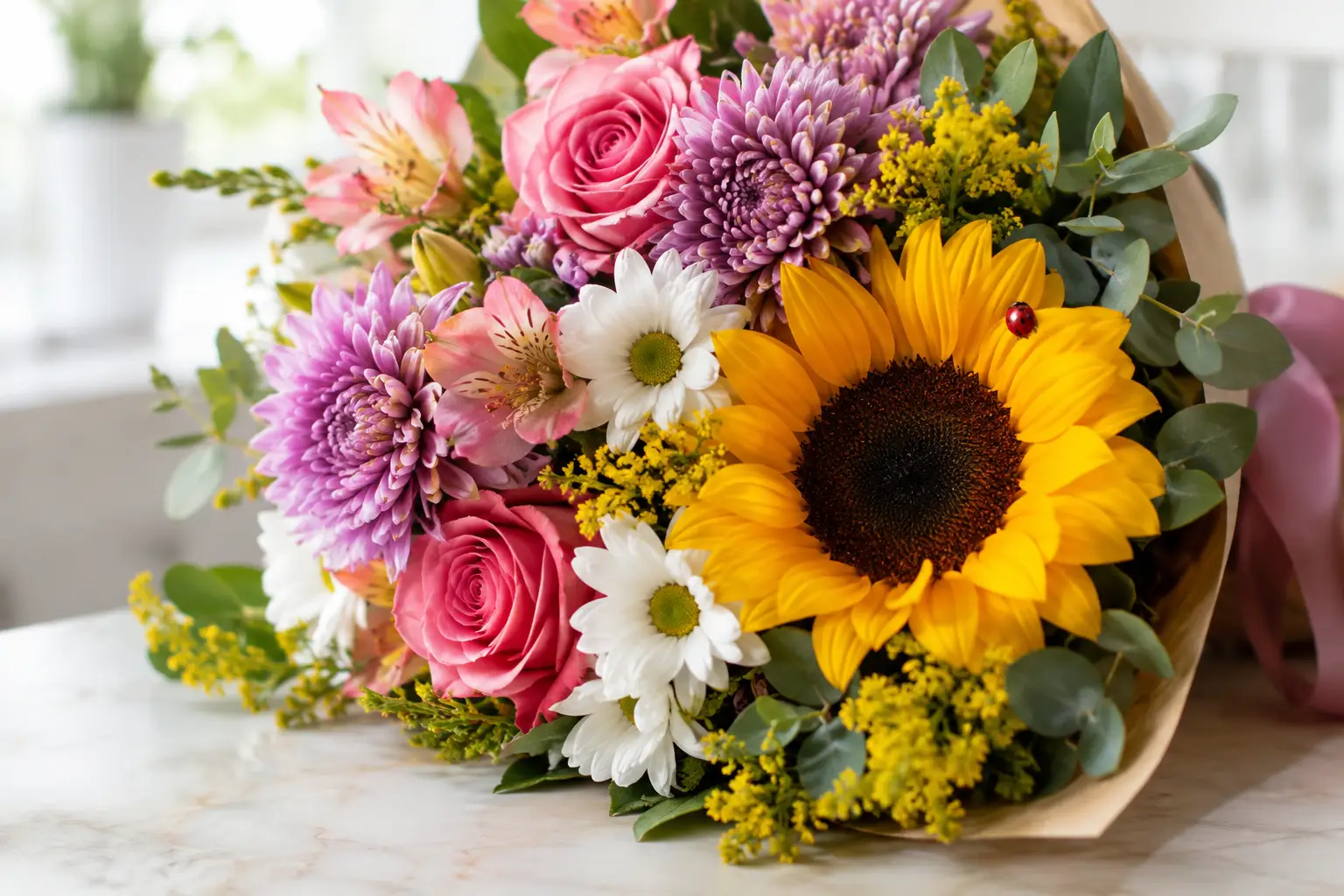
A thank-you gift should feel like more than an obligation checked off a list. When you are wondering what flowers say thank you, the best choice is usually the one that reflects the person, the favor, and the feeling you want them to carry after the flowers arrive. A cheerful bouquet can thank a neighbor for watering the plants, while a more refined design can recognize a mentor, client, host, or family member who showed up when it mattered.
Flower meanings can offer a helpful starting point, but they are not strict rules. Color, season, presentation, and a sincere card message all shape the gesture. The right thank-you flowers are simply flowers that let someone know their kindness was noticed.
What Flowers Say Thank You Most Naturally?
Several flowers have long been associated with appreciation, friendship, admiration, and warm wishes. They each create a slightly different mood, which makes it easier to choose an arrangement that feels personal rather than generic.
Hydrangeas for heartfelt appreciation
Hydrangeas are often connected with gratitude and genuine feeling. Their full, cloud-like blooms make even a small bouquet feel generous, and their soft blue, lavender, green, white, and blush tones suit many relationships. Send hydrangeas when someone offered meaningful support, welcomed you into their home, helped with a major life event, or simply made a difficult week easier.
Because hydrangeas have such visual presence, they work beautifully in a mixed arrangement with roses, stock, lilies, or seasonal accents. A compact hydrangea design feels thoughtful for a friend or relative, while a larger gathered arrangement can make a gracious hostess gift.
Pink roses for gratitude with warmth
Roses are not reserved for romance. Pink roses, especially in light or medium shades, are a classic expression of appreciation, admiration, and joy. They are a lovely choice for a teacher, a friend, a parent, a caregiver, or anyone whose generosity deserves a polished gesture.
Pale pink roses feel gentle and tender. Brighter pink shades feel more celebratory and energetic. When you want to say, “Thank you for being wonderful,” pink roses speak clearly without making the message overly formal or romantic.
Gerbera daisies for a bright, happy thank-you
Gerbera daisies bring instant cheer. Their open faces and lively colors make them ideal for everyday appreciation: thanking a coworker who stepped in, a neighbor who picked up the mail, a friend who hosted dinner, or a family member who did you a favor.
A daisy-forward arrangement feels uncomplicated in the best way. It says your gratitude is joyful, spontaneous, and real. Pair gerberas with colorful carnations, alstroemeria, or greenery for a bouquet that feels sunny and easy to enjoy.
Alstroemeria for loyal friendship and support
Alstroemeria, sometimes called Peruvian lilies, are especially fitting for friends and people who have offered dependable support. Their many blooms on each stem give arrangements a full, abundant look, while their long vase life lets the thank-you last.
These flowers are a smart choice when you want an arrangement that feels generous without being too formal. They mix well with roses, daisies, mums, and hydrangeas, making them useful in colorful designs for birthdays, favors, and everyday moments of care.
Sunflowers for appreciation that feels uplifting
Sunflowers carry optimism, warmth, and admiration. They are a wonderful thank-you choice for someone with a big personality, a sunny disposition, or a habit of making others feel welcome. A sunflower arrangement can brighten an office, kitchen, front desk, or hospital room while delivering a message of appreciation.
Their bold look is not for every recipient or every setting. For a formal business thank-you, a sunflower bouquet may feel more casual than elegant roses or hydrangeas. But for a beloved coach, helpful neighbor, supportive friend, or generous host, they can be exactly right.
Choose Thank-You Flowers by Recipient
The relationship matters as much as the bloom. Thinking about how the recipient will receive the flowers helps you choose the right scale, color palette, and style.
For a friend or family member, choose flowers that feel like them. Bright mixed blooms suit someone playful and expressive, while garden roses and soft hydrangeas fit a person who loves a quieter, classic look. A personal card can mention the specific kindness: “Thank you for making time for me,” often means more than a broad “Thanks for everything.”
For a host or hostess, a medium-sized arrangement in a vase is especially practical. They can display it immediately rather than searching for a container while guests are arriving. Seasonal flowers in warm, welcoming shades feel festive, and a complementary gift such as chocolates can make the gesture feel even more complete.
For a coworker, manager, teacher, or professional contact, aim for cheerful and polished. Pink roses, tulips, hydrangeas, daisies, or a tasteful mixed arrangement are all appropriate. Avoid red roses unless there is a clear personal relationship, since they can read as romantic. If the flowers are going to an office, consider a compact design that will sit comfortably on a desk or reception counter.
For someone who helped during a hard time, softer flowers often feel most sincere. White, cream, blush, lavender, and gentle blue arrangements can convey appreciation without asking the recipient to perform happiness. Hydrangeas, roses, lisianthus, and stock create a calm, caring design that says, “Your support made a difference.”
Color Can Change the Message
Flower color quietly guides the mood of a thank-you bouquet. Pink is a natural choice for affection and appreciation. Yellow feels friendly, bright, and optimistic. Peach and coral bring warmth and enthusiasm, while lavender adds a graceful, thoughtful quality.
White flowers can be elegant and deeply meaningful, especially when paired with fresh greenery or soft pastel blooms. Still, all-white arrangements may feel too formal in some situations. If you are thanking someone for a casual favor or celebrating a lively friendship, adding color often makes the message feel more relaxed.
For a thank-you with romantic undertones, blush, peach, and pink roses offer warmth without the intensity of red. For a purely platonic gesture, yellow, mixed spring colors, or soft garden-inspired palettes are usually easy choices.
Make the Arrangement Feel Personal
The flowers are the first impression, but the details turn them into a memory. A note that names the gift, support, invitation, or kindness is always worth including. Instead of writing only “Thank you,” try a message such as, “Thank you for opening your home to us,” or, “Your encouragement gave me confidence when I needed it.”
Consider the recipient’s practical preferences, too. Someone with pets may appreciate a design chosen with their household in mind. A person who travels often may prefer a plant or a long-lasting arrangement. If they love dramatic color, do not default to a pale bouquet just because it is traditional. Thoughtfulness is more convincing than following a flower rule.
Timing also matters. Sending flowers soon after a kind act feels immediate and joyful, but a later bouquet can be equally meaningful when it arrives on an ordinary day. For long-distance gift-givers, working with a trusted local florist in Springfield can make a real difference: the arrangement can be designed with the recipient and delivery setting in mind, rather than treated as a one-size-fits-all order.
When One Flower Is Not Enough
Mixed arrangements are often the strongest thank-you choice because gratitude is rarely one-note. A design that combines pink roses for appreciation, hydrangeas for heartfelt thanks, alstroemeria for friendship, and seasonal texture feels layered and intentional. It also gives a skilled florist room to tailor the bouquet to the recipient’s favorite colors, the season, and your budget.
At RoseAmongThorns, custom floral design makes it possible to start with the message you want to send rather than a fixed formula. Share who you are thanking, what they did, and whether the feeling should be cheerful, elegant, comforting, or celebratory. Those details help shape an arrangement that feels made for the moment.
A thank-you bouquet does not need a grand occasion to be meaningful. Choose blooms that feel true to the person receiving them, write the part you might otherwise leave unsaid, and let a beautiful arrangement remind them that their kindness landed exactly where it was needed.