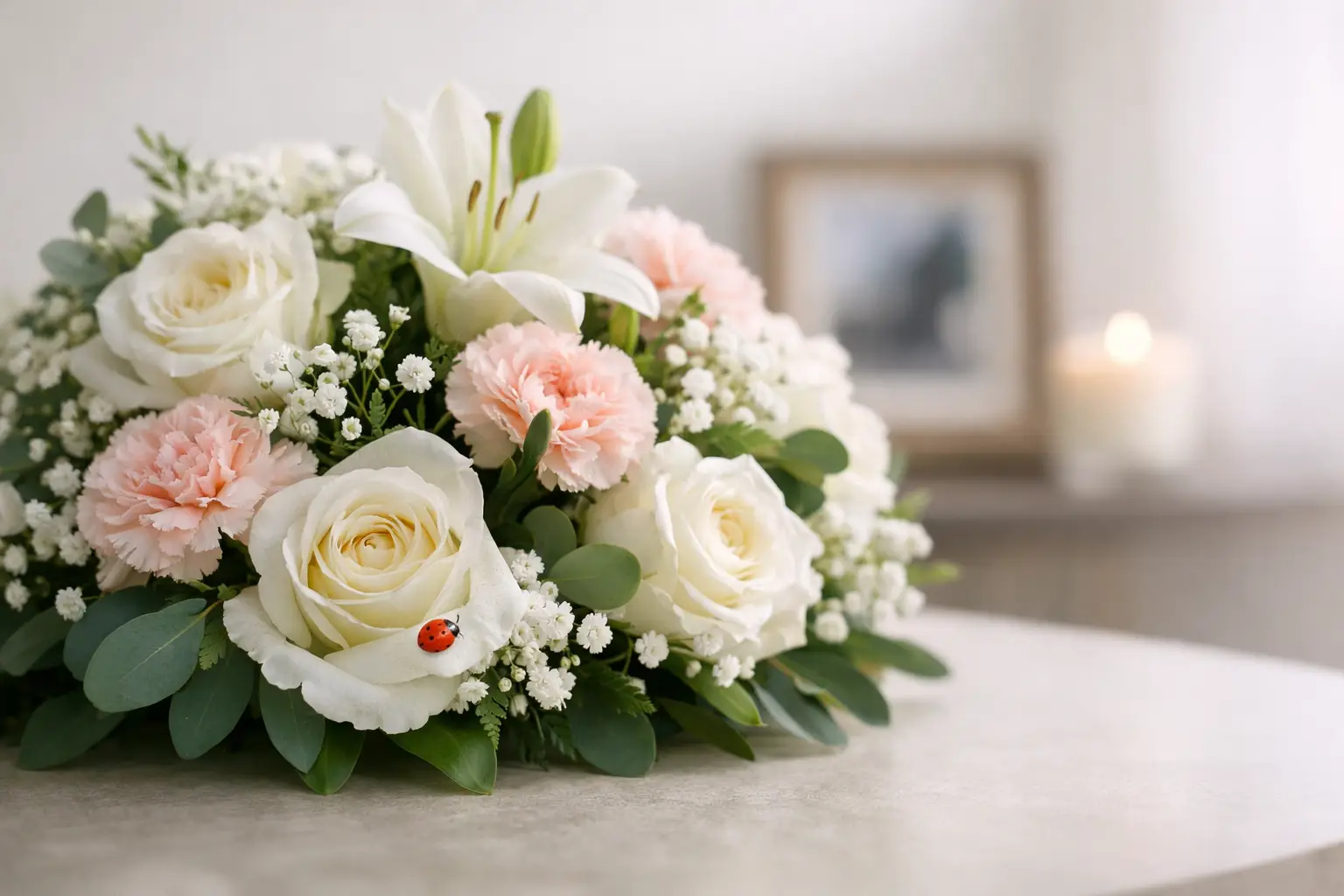
A sympathy arrangement often arrives when words feel too small. It becomes a quiet expression of presence: a way to say, “I am thinking of you,” “This life mattered,” or “You do not have to carry this alone.” Knowing how to choose sympathy flowers starts there. The most meaningful choice is not necessarily the largest or most elaborate one. It is the arrangement that suits the person being remembered, supports the people grieving, and arrives with care.
For families in Springfield and for those sending love from farther away, a local florist can help make an overwhelming decision feel more manageable. A few thoughtful details – the relationship, service setting, flower style, and delivery timing – will point you toward a tribute that feels right.
Start With Where the Flowers Will Be Sent
The first question is practical: are the flowers for a funeral or memorial service, for the family’s home, or for a workplace? Each setting calls for a slightly different kind of arrangement.
Funeral homes and churches can accommodate larger tribute pieces, such as standing easels, wreaths, crosses, and casket sprays. These designs are meant to be displayed during the service, where guests can see them as part of the tribute. Standing sprays and easel arrangements are often sent by extended family, close friends, a group of coworkers, or an organization. A casket spray is traditionally selected by immediate family, though customs vary and it is always appropriate to ask.
For a family’s home, a vase arrangement, flowering plant, dish garden, or basket arrangement is usually more helpful. Home sympathy flowers offer comfort after the service has ended, when visitors are gone and the reality of loss can feel especially heavy. They are easier to place on a table or counter, and a long-lasting plant can be a gentle reminder of ongoing support.
If you are sending flowers to a memorial gathering or celebration of life, consider the tone of the event. Some families prefer traditional white and green designs, while others welcome brighter colors that reflect a lively, joyful personality. The obituary, service announcement, or a quick conversation with the family may offer clues.
How to Choose Sympathy Flowers for Your Relationship
Your relationship to the person who died or to the grieving family can guide both the style and scale of your gift. There is no scorecard for sympathy, and a modest bouquet chosen sincerely is never less meaningful than a grand display.
Immediate family members may choose coordinated funeral flowers, including casket sprays, matching standing arrangements, or floral pieces that reflect a favorite color, hobby, faith, or military service. Close friends often send a standing spray, a wreath, or a full vase arrangement. Coworkers, neighbors, and acquaintances may prefer a thoughtful plant or a smaller arrangement delivered to the home.
When sending on behalf of a group, a larger design can be a fitting shared gesture. A workplace might choose an easel spray for the service, while a neighborhood group may send a generous basket or vase arrangement to the family. Include the group name clearly on the card so the family knows who is holding them in their thoughts.
The card matters as much as the flowers. Keep the message simple and genuine. A few honest words are enough: “With deepest sympathy,” “Thinking of your family with love,” or “Remembering [name] and the kindness they shared.” If you knew the person well, one specific memory can be especially comforting.
Choose Flowers for Meaning, Not Just Tradition
Traditional sympathy flowers are popular for good reason. Their forms and colors feel calm, respectful, and timeless. But meaningful flowers do not have to follow one formula.
Lilies are often associated with peace and remembrance, while roses can convey love, respect, and devotion. White flowers such as roses, lilies, hydrangea, and carnations create a serene, classic look. Soft blues, lavenders, blush tones, and gentle greens can feel equally peaceful. For someone known for a bright garden, colorful outfits, or a warm sense of humor, a design with sunflowers, tulips, irises, or vibrant seasonal blooms may better reflect who they were.
A florist can also incorporate personal touches without making the arrangement feel overly formal. A gardener may be remembered with a garden-inspired mix. Someone who loved the outdoors might be honored with natural greenery and textural blooms. A favorite color can become the thread that ties the design together.
There are a few situations where it helps to pause before choosing a very specific symbol. Religious pieces, such as crosses, are meaningful to many families but may not suit every faith or service. If you are unsure, a classic standing spray or an elegant vase arrangement is a respectful choice across many traditions.
Consider the Family’s Wishes and Cultural Traditions
Before placing an order, check whether the family has made a request. Some obituaries ask for donations in lieu of flowers. When that is the case, honoring the request is generally the kindest path. If you still want to offer a tangible expression of care, consider sending flowers to the family’s home after the service, unless the request specifically asks for no flowers.
Cultural and religious customs can also shape what is appropriate. Some families prefer white flowers. Others may welcome specific colors, floral designs, or charitable gifts instead. If you do not know the family’s traditions, you do not need to become an expert overnight. Ask a close family friend, the funeral home, a member of the clergy, or your florist for guidance.
Sensitivity is more valuable than perfection. A considerate, understated arrangement is rarely out of place when it is sent with sincere sympathy.
Timing Matters, Especially for Funeral Flowers
Funeral flowers should arrive before the visitation or service, ideally several hours ahead when possible. This gives the funeral home staff time to receive, place, and display them properly. When ordering, provide the full name of the person being remembered, the funeral home or church name, and the date and time of the service. A florist can confirm what delivery window makes sense.
If you have missed the service, do not let that stop you from reaching out. Sympathy has no expiration date. In fact, flowers delivered a week or two later can be deeply touching, because support often fades just when grief is settling in. A home arrangement, plant, or comforting gift can let the family know they are still remembered.
For out-of-town senders, working directly with a local Springfield florist offers an added layer of reassurance. You can confirm delivery details, share a special request, and speak with someone who understands the local funeral homes and service schedules. RoseAmongThorns can help match your sentiment to the right floral design while ensuring the arrangement is prepared with the care the moment deserves.
Let the Florist Help With the Details
You do not need to know every flower variety or funeral etiquette rule before calling a florist. Share what you do know: your budget, your relationship to the family, where the flowers are going, and anything you would like the arrangement to reflect. Even a simple note such as “She loved purple,” “He was an avid gardener,” or “We would like something peaceful for the home” gives a floral designer a meaningful starting point.
Be open to seasonal availability, too. A custom design may not look exactly like a photo, especially when certain blooms are unavailable, but a skilled florist can preserve the feeling, color palette, and overall style. This flexibility often results in a fresher, more personal arrangement than insisting on one exact stem.
A Thoughtful Choice Does Not Need to Be Complicated
If you are uncertain, choose a classic arrangement in white or soft seasonal colors, send it to the appropriate location, and write a heartfelt card. That is enough. Sympathy flowers are not about finding the perfect words or the perfect bloom. They are a visible reminder that, in a difficult moment, someone cared enough to show up with kindness.
Add Comment